
Cataract Surgery FAQ from an Ophthalmologist Near You
When vision starts to cloud over with age, cataracts are often the reason. It can feel like trying to look through a dirty windshield that won’t wipe clean. Cataract surgery is a common solution: Safe, quick, and highly effective. At Michigan Eyecare Institute, your eye doctor in Livonia, MI, Southfield, MI, and Dearborn, MI, we’re here to answer the questions we hear most often so you can approach the procedure with clarity and confidence. If you are looking for an ophthalmologist near you or a laser eye surgeon near you, we are here to help.
What Is a Cataract?
A cataract is a clouding of the eye’s natural lens. It develops slowly, often as a part of aging, though it can also come from injury, diabetes, or long-term steroid use. Symptoms include blurry vision, glare sensitivity, and faded colors.
When Should Cataracts Be Treated?
We usually recommend surgery when cataracts begin to interfere with daily life: Reading, driving, or recognizing faces. If stronger glasses or better lighting no longer help, it’s time to consider surgery.
There’s no need to rush into it but waiting too long can make the surgery slightly more complex. It’s best to get evaluated early and make a decision with your ophthalmologist’s input.
How Does Cataract Surgery Work?
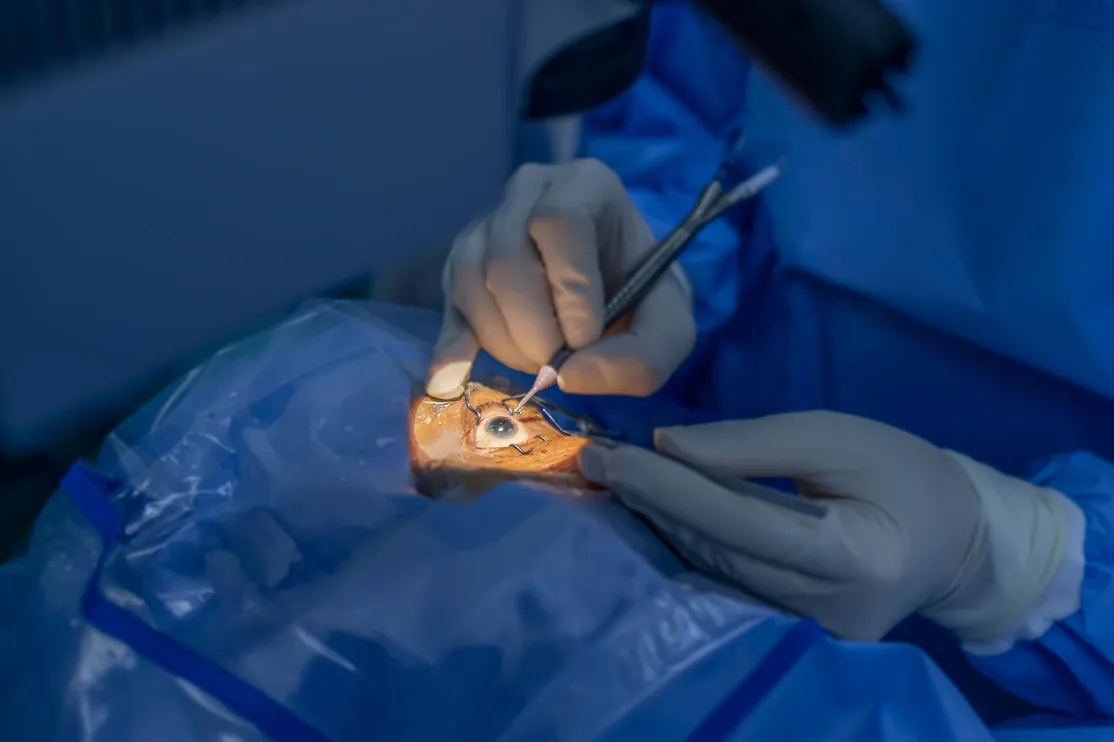
The procedure involves removing the cloudy lens and replacing it with a clear artificial one. The surgery is typically done under local anesthesia, and you’re awake but relaxed.
Using a small incision, the surgeon breaks up the old lens and removes it. Then, the new lens is implanted. The whole thing usually takes less than 30 minutes.
Is It Painful?
Most people feel little to no pain during surgery. You may feel some pressure or mild discomfort, but the anesthetic keeps things manageable. After the procedure, you might notice mild itching or a gritty feeling, but it usually goes away within a day or two.
What Is Recovery Like?
Recovery is fast for most people. You’ll likely go home the same day and return for a follow-up visit within 24 hours. Over the next few days, vision gradually improves.
You’ll use eye drops to help healing and avoid rubbing your eye or lifting heavy objects for a short while. Most people return to normal activities within a week or two.
Are There Risks?
As with any surgery, there are risks. Possible issues include infection, bleeding, increased eye pressure, or lens dislocation. We will go over these risks based on your health and eye condition.
Can I Choose My New Lens?
Yes. There are several types of intraocular lenses (IOLs), including ones that correct for distance, astigmatism, or even both near and far vision. We’ll help guide you based on your needs and lifestyle.
Visit Us for Cataract Surgery Near You
At Michigan Eyecare Institute, your eye doctor in Livonia, MI, Southfield, MI, and Dearborn, MI, we perform cataract surgery with precision and care. If your world is starting to look dim or hazy, it might be time to let us help clear the path. With the right treatment, you can get back to seeing the world as it was meant to be seen. Call us at (313) 582-7440, (734) 464-7800, or (248) 352-2806 for cataract surgery near you. If you are looking for an ophthalmologist near you or a laser eye surgeon near you, we are here to help.
